CraftTripつくる旅

01 · Home

Bizen Ware

Issue 01 · Spring MMXXVI

A field guideto Japan'sliving crafts.

1,644 traditions · 47 prefectures.

No. IIFeatured this issue

Six crafts to begin with.

Bizen Ware

岡山県 · 陶磁器

Bizen Ware

備前焼

岡山県

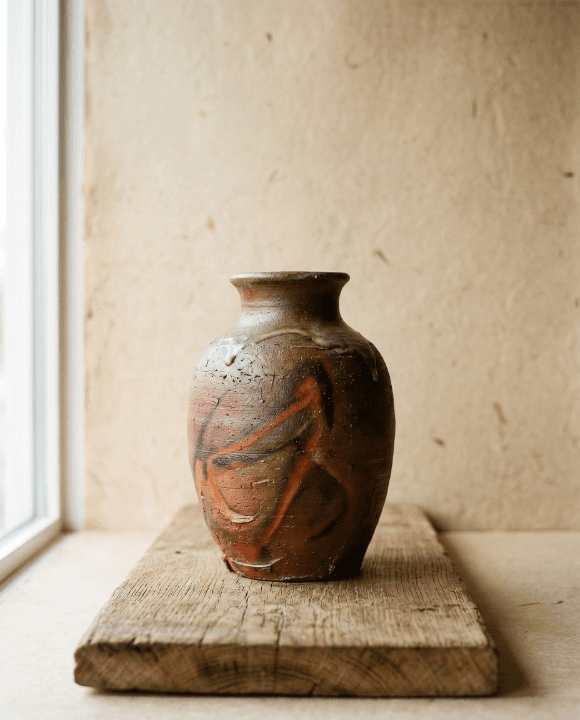
Bizen Ware is a type of unglazed stoneware produced primarily in Bizen City, Okayama Prefecture. Fired at high temperatures for an extended period without glaze, each piece develops a uniquely rich, earthy surface texture and natural color variations that make it one-of-a-kind.

Pottery clayIron
Nishijin-ori

京都府 · 織物

Nishijin-ori

西陣織

京都府

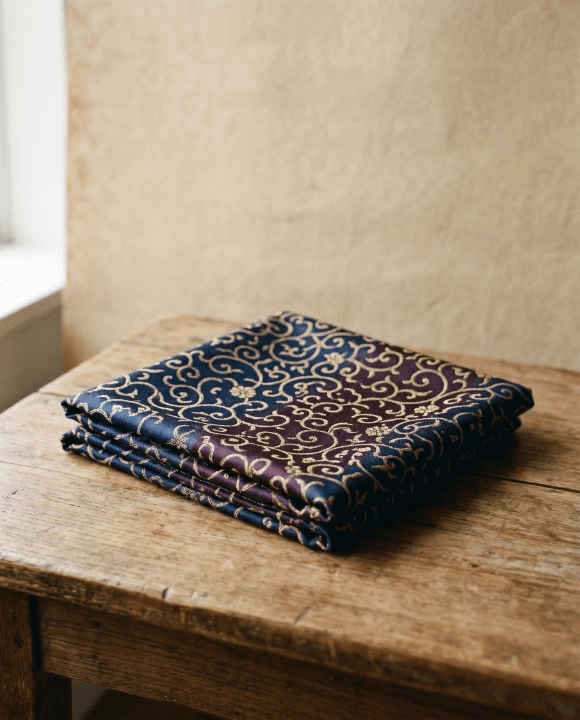
Nishijin-ori is a prestigious silk textile produced in the Nishijin district of Kyoto, renowned for its elaborate pre-dyed yarn weaving that produces intricate, multi-colored patterns. It stands as one of Japan's most celebrated and technically sophisticated textile traditions.

SilkGoldSilver
Wajima Lacquerware

石川県 · 漆器

Wajima Lacquerware

輪島塗

石川県

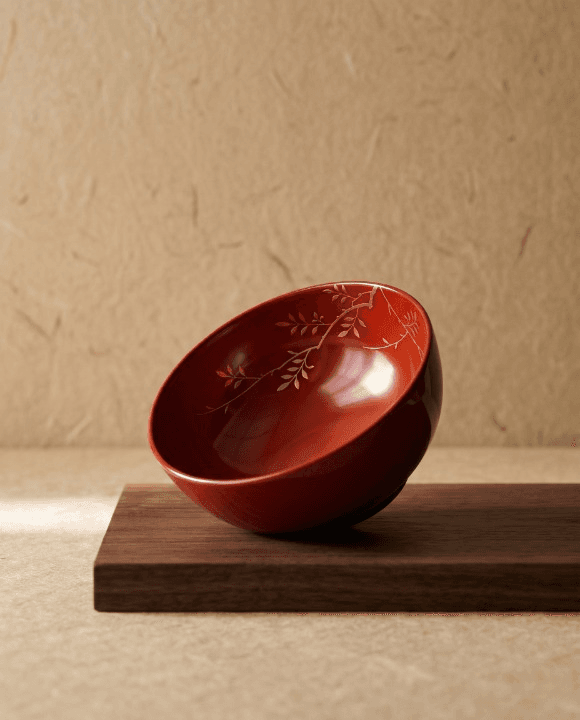
Wajima Lacquerware is a celebrated Japanese lacquerware tradition from Wajima City, Ishikawa Prefecture, renowned for its exceptionally durable foundation coating and exquisite decorative techniques such as makie gold-powder painting and chinkin engraved gold inlay.

LacquerWood地の粉Gold
Nambu Ironware

岩手県 · 金工品

Nambu Ironware

南部鉄器

岩手県

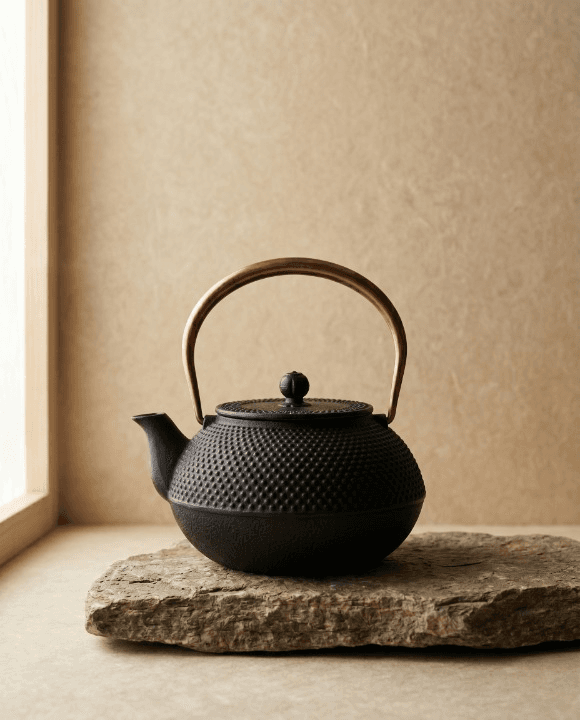
Nambu Ironware is a form of cast-iron craft produced primarily in Morioka and Oshu, Iwate Prefecture. Renowned for its intricate sand-mold casting, it encompasses tea-ceremony kettles and iron teapots prized for their durability, heat retention, and understated beauty.

IronLacquer
Echizen Washi

福井県 · 和紙

Echizen Washi

越前和紙

福井県

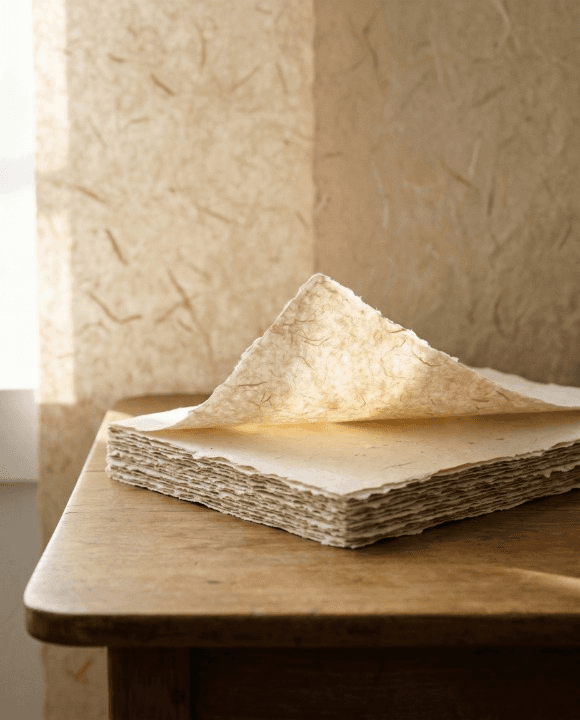
Echizen Washi is a traditional handmade Japanese paper produced in the Imadate area of Echizen City, Fukui Prefecture. Boasting over a millennium of history, it is celebrated for its exceptional quality, diverse range of paper types, and enduring role as a premier supplier of ceremonial and artistic paper.

Washi paper三椏雁皮
Edo Kiriko

東京都 · その他の工芸品

Edo Kiriko

江戸切子

東京都

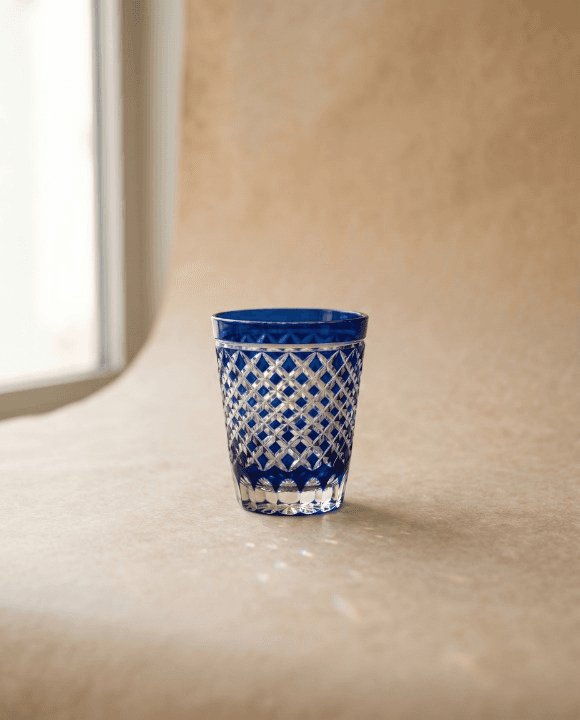
Edo Kiriko is a traditional cut-glass craft produced in Tokyo, distinguished by its precisely cut geometric patterns and brilliant clarity. Originating in the late Edo period, it remains a living craft shaped entirely by the skilled hands of artisans.

GlassStone

Colophon

We build no catalogues of the past. Only a field where living hands still shape the clay, thread, wood, and paper of today.
Learn more about CraftTrip